

The Spring Detail Your Car Needs After This Weird Winter
Boise just lived through one of the strangest weather sequences in more than a century. We tracked a tenth of an inch of snow all winter, the lowest cumulative total in records going back to 1899. Then late March hit record-warm temperatures. Then April broke a 114-year-old rainfall record with 3.87 inches. Idaho even declared a statewide drought emergency, just days before the rain finally showed up.
If you have looked at your truck recently and thought "with all that rain, my paint should be cleaner than this," you are not wrong to be confused. Here is what actually happened, and what to do about it.
What this weather sequence did to your car
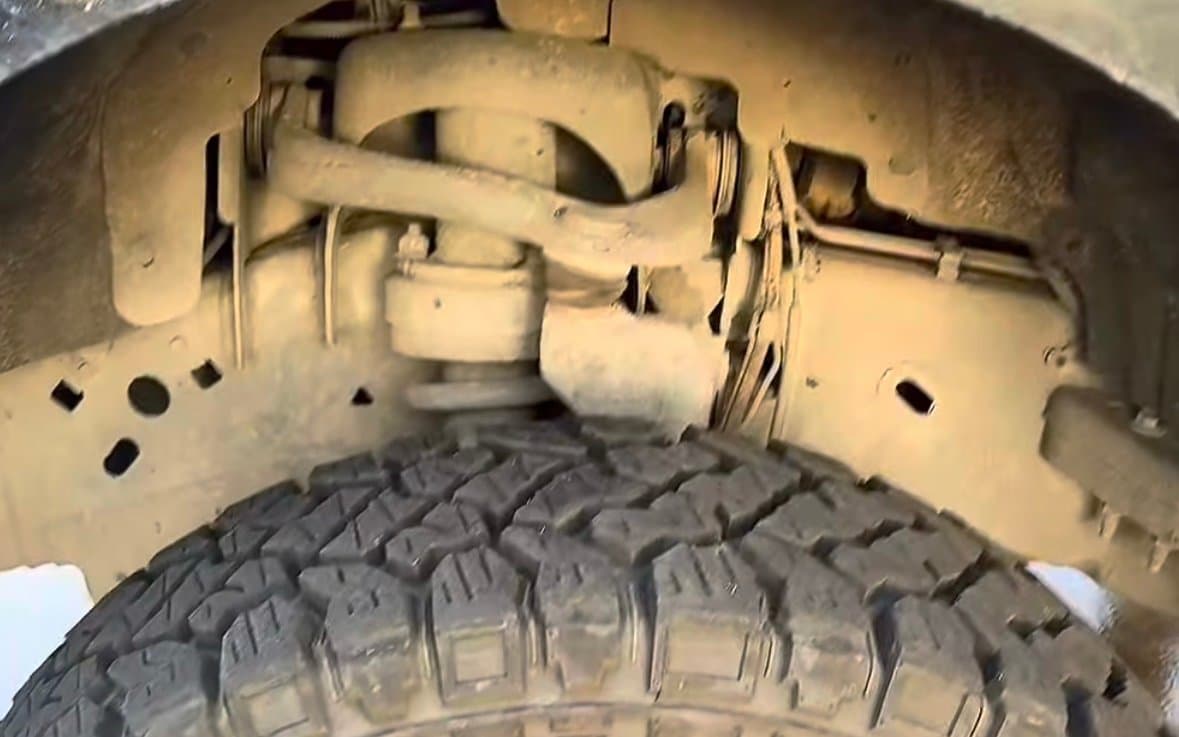
The de-icer that was applied is now activated. ITD pre-treats roads with magnesium chloride brine ahead of winter storms. We had almost no storms, so applications were down compared to a normal winter. That is the good news. The bad news is that mag chloride is hygroscopic, which means it pulls moisture from the air and stays active. The record April rain did not wash it off your undercarriage and wheel wells, it reactivated it. Every drop of rain made the residue more aggressive on bare metal.
April rain rinsed the wrong surfaces. Heavy rain hits hoods, roofs, and trunks straight on. It does not reach the lower six inches of body panels, wheel wells, undercarriage, or door jambs. That is where de-icer and Foothills grit sit. Your paint may look cleaner from above. The damage zone is below.
Foothills dust got worse, not better. Dry winters are dusty winters. The Foothills, gravel access roads, and trail areas kicked up more grit than usual through January, February, and March, and there was no snowpack to lock it down. The April rain knocked some of it loose, but most of it bonded with morning condensation and fused into a film on horizontal surfaces. Without clay bar decontamination, that grit stays embedded in the clear coat.
Pollen plus rain equals a worse film, not a better one. Boise was just ranked the #1 worst city in the U.S. for pollen allergies by the Asthma and Allergy Foundation of America. Tree pollen typically peaks in April with juniper and cottonwood, and the warm winter pulled the season forward by weeks. Wet pollen dries on paint and glass into a sticky tan film that does not come off with a regular hose-down. The more rain we got, the more cycles of pollen-and-dry your car has been through.
Cottonwood fluff is coming next. The white seed cotton that blankets Boise in late spring is not just an annoyance. It gets into vent intakes, sticks to wax-protected paint, and clogs cabin air filters.
What storage did to your specialty vehicles
Boats, RVs, and side-by-sides spent the winter sitting. That sounds harmless. It is not.
RVs. Roof seams collect debris that pools moisture, which the record April rain made worse. UV bakes the rubber roof on uncovered rigs. Slide seals dry out. Wax protection wears off by month three. By the time you pull it out for the first McCall trip in May, it has a dull haze on every panel. A real RV detail before the season starts adds years to the rig's exterior life. Mobile RV detailing starts at $499.99 and we come to your storage facility.
Boats. Lake Lowell and Lucky Peak boats sitting on trailers all winter accumulate bird residue, leaf stain, and morning condensation that leaves mineral spotting on the gel coat. April rain made the spotting worse, not better. Without a real spring wash and wax, your hull oxidizes faster every season. By year five, the gel coat is chalky and a polish-and-restore job costs three times what an annual maintenance detail would have. Boat detailing starts at $399.99.
Side-by-sides. Trail dust from last fall is still in every vent, every seat seam, and every plastic crease. UV faded the plastics through the winter even in storage. Your first ride of the season puts new mud on top of old dust. Spring reset before you ride is the right move. UTV and side-by-side detailing starts at $149.99.
The one-day reset
Here is what a complete spring reset actually looks like for a daily driver.
Decontamination wash. Hand wash with pH-neutral soap to lift loose grime without grinding it into the paint. Iron remover to dissolve embedded brake dust and reactivated de-icer residue. Clay bar pass to pull out everything else still bonded to the clear coat. By the end of this stage, the paint should feel glassy when you run a bare hand across it.
Lower-body and wheel-well attention. This is the most important step after this particular winter and spring. The lower six inches of body panels, wheel wells, and undercarriage need extra care. That is where the de-icer is sitting and where the April rain did not reach.
Polish or paint correction if needed. If the paint has visible swirl marks, water spotting, or oxidation, this is the spring window to fix it before summer UV bakes the damage in. Paint correction is a one-time investment that resets the clear coat to factory.
Protection. A coat of sealant lasts three to four months. A hand-applied wax lasts six to eight weeks. Ceramic coating lasts two to five years depending on the formulation. With El Niño pattern conditions forecast for summer, ceramic coating is the only protection that handles the heat, dust, and pollen the next six months will throw at it.
Interior reset. Vacuum every surface, compressed air through vents to clear pollen and dust, dashboard and trim wipe, leather conditioner, glass clean. The interior reset is what makes the whole car feel new again, not just the exterior.
Where to start
If you only do one thing this spring, start with a decontamination wash and a fresh coat of protection. That alone undoes most of what this strange winter and spring left behind.
If you have an RV or boat coming out of storage, schedule that detail before your first trip, not after. The first trip puts new dirt on top of what is already there and doubles the work required later.
We are based in Dry Creek Ranch and serve the entire Foothills and Treasure Valley. Mobile to your driveway, your storage facility, or wherever your boat is staged. Book a spring detail or call us at (208) 863-1442.